
How to Pass Traits Through Breeding in Palworld
One of the most powerful aspects of Palworld breeding is the ability to pass passive skills (traits) from parent to offspring. Want your Knocklem to have Swift? Have an Anubis with a great trait you want on a different pal? This guide explains exactly how trait inheritance works and how to use breeding chains to move any trait to any pal. For more on passive skills, see the Palworld Wiki.
In This Guide
How Trait Inheritance Works
When two pals breed in Palworld, the offspring has a chance to inherit passive skills from either parent. Here's how it works:
Passive Skill Pool
The offspring's passive skills are randomly selected from the combined pool of both parents' passive skills, plus a small chance of random new traits.
Inheritance Chance
Each parent's passive skills have roughly a 40% chance of being passed to the offspring. With 4 trait slots, you can influence which traits appear by controlling the parents' trait pools.
Slot Limit
Each pal can have up to 4 passive skills. If both parents have 4 traits each (8 total), only 4 will be selected for the offspring, making it harder to target specific ones.
The Key Insight
To reliably pass a specific trait, breed parents that have FEWER total passive skills. A parent with only 1 passive skill has a much higher chance of passing that skill than a parent with 4.
Best Traits to Pass Down
Not all passive skills are worth the effort of breeding chains. Here are the most valuable traits players typically want to pass between pals:
Using Breeding Chains to Move Traits
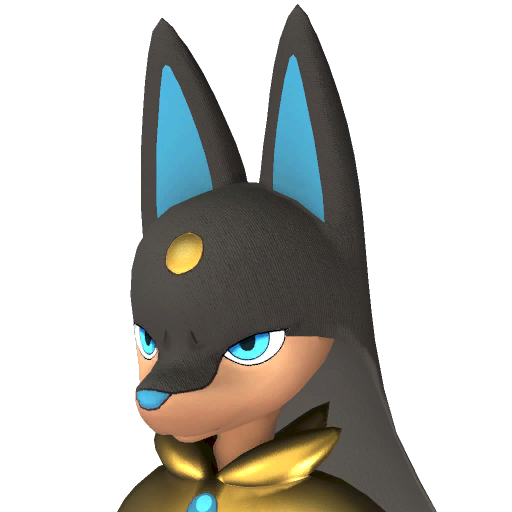
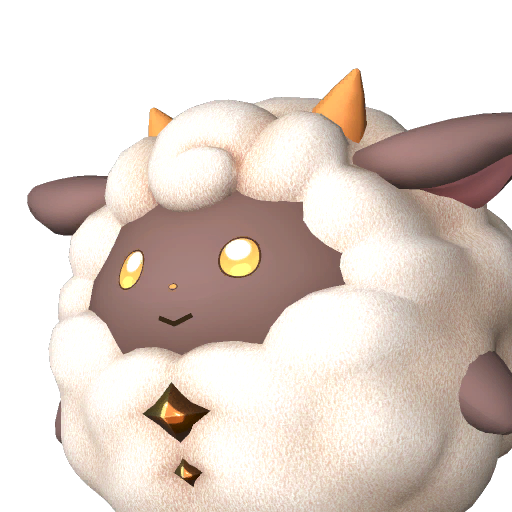
A breeding chain is a series of breeding steps that connects two pals that can't breed directly into the target. For example, you can't breed an Anubis directly into a Knocklem — but you can breed Anubis with another pal, then breed that offspring with another pal, and so on until you reach Knocklem. At each step, the desired trait has a chance to be inherited.
Our Path Finder tool automatically calculates the optimal breeding chain between any two pals. You can also browse pre-computed paths below.
Pro tip: Shorter breeding chains are better for trait inheritance because there are fewer steps where the trait could fail to pass. A 2-step chain gives you roughly a 16% chance of the trait surviving all steps, while a 5-step chain drops to about 1%. Multiple breeding attempts at each step dramatically improve your odds.
Example: Passing Swift from Anubis to Knocklem
Let's say you have an Anubis with the Swift passive skill, and you want to transfer it to a Knocklem. Here's how:
Step 1: Find the breeding path
Use our Anubis → Knocklem breeding path to see the exact chain of pals you need to breed through.
Step 2: Breed at each step
At each breeding step, check if the offspring inherited Swift. If it didn't, breed again. The fewer passive skills on the parents, the better your odds.
Step 3: Continue the chain
Once you have an offspring with Swift, use it as the parent for the next step in the chain. Repeat until you reach Knocklem with the Swift trait.
Step 4: Optimize
If the intermediate pal has unwanted traits alongside Swift, breed it with a pal that has no passives (or only Swift) to "clean" the trait pool before continuing.
Tips for Maximizing Trait Inheritance
Use parents with fewer passive skills — a parent with only the desired trait has the best odds.
Breed multiple eggs at each step — trait inheritance is probabilistic, so more attempts = better odds.
Choose the shortest breeding chain possible — every extra step reduces the chance of the trait surviving.
Keep "clean" breeding stock — pals with 0-1 passive skills are invaluable for trait breeding.
Save before hatching eggs to soft-reset for better trait results.
Stack multiple desired traits on one parent to try passing several at once.
Popular Breeding Paths
Browse pre-computed breeding chains for popular pal combinations:





Find Any Breeding Path
Use our interactive Path Finder to calculate the breeding chain between any two pals.
Open Path Finder →